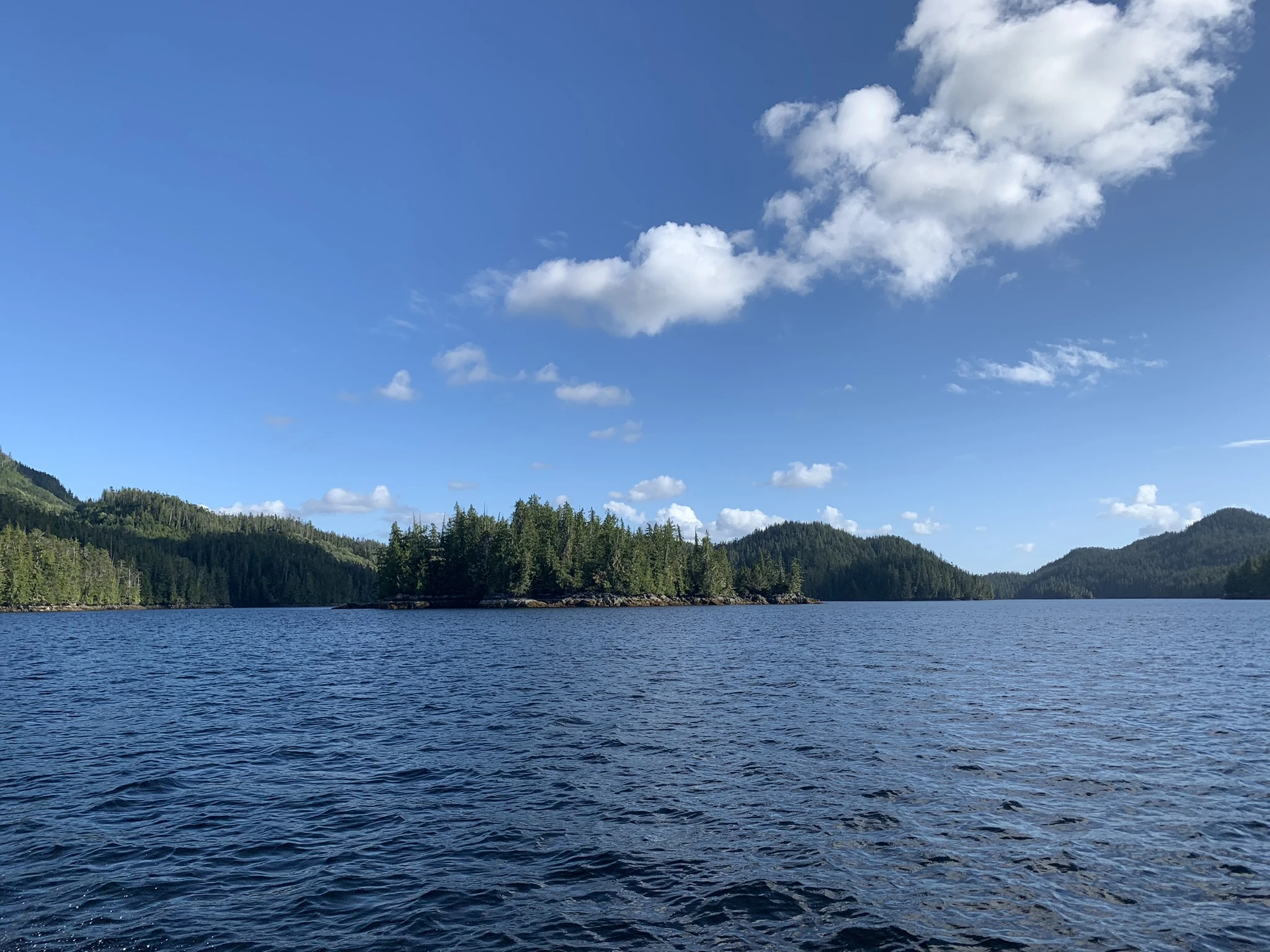
Forested islands and open ocean near Bella Bella beneath a blue sky

Services

Haíɫzaqv (Heiltsuk) Nation territory
Photograph by Justin Page

Understand what’s at stake. Establish what’s needed.

From leading your own impact assessment to responding to a project study, I bring technical expertise to the questions that matter to you. We shape the work around your priorities and how you need to use the findings.

Indigenous-led assessment

Designing and carrying out rigorous assessments grounded in Indigenous laws, rights, and responsibilities to help Nations decide whether and under what conditions major projects should proceed.

An Indigenous-led assessment gives your Nation a way to examine a proposed project on its own terms. I support assessments that address the questions your community and leadership need answered, including effects on rights, lands, waters, culture, and community well-being.

How we work together

Your Nation directs the work. I work with your team to develop an approach grounded in its priorities, knowledge, laws, and decision-making practices. This can include establishing the Nation’s own assessment process and determining how it relates to regulatory review.

I develop methods, support community-based research, and assess how project effects connect with the exercise of rights and community life. The work can examine cumulative pressures, project alternatives, and measures to address impacts. I also coordinate specialists and advisors so their contributions answer the Nation’s questions.

We agree on how knowledge and findings will be used and shared. The assessment can inform leadership’s own decisions and, if the Nation chooses, discussions with proponents and regulators.

What the work can produce
  • Reusable assessment frameworks and methods grounded in the Nation’s laws, rights, and responsibilities, which the Nation can apply and refine over time.
  • Community research and impact assessment reports documenting community knowledge, voices, and priorities alongside technical evidence and findings.
  • Briefings for leadership on project options, impacts, and proposed conditions, supporting the Nation’s free, prior, and informed consent-based decisions.
  • Recommendations for project changes, mitigation, and proposed approval conditions grounded in the assessment findings.
  • Evidence and findings to inform Crown and regulatory decisions and impact benefit agreement negotiations, where the Nation chooses to use them.

Early scoping and assessment planning

Clarifying the issues, information, and resources needed early, so assessment efforts focus on the questions that matter before major commitments are made.

Early choices about a project and its assessment can shape everything that follows. I help Nations and project teams identify concerns and alternatives while there is still room to change the approach, and establish what a useful assessment will require.

How we work together

We start with community priorities, the project proposal, and existing information. I identify gaps, examine potential impact pathways, and help determine which questions and alternatives warrant further study.

I translate that work into assessment methods, study scopes, and realistic plans for resources and timing. This includes considering a Nation’s capacity to commission research, review findings, and make its own decisions.

Where a proponent’s studies and a Nation-led assessment overlap, I help clarify roles and opportunities to coordinate research while respecting distinct processes. This work supports preparation for regulatory review without assuming agreement on whether or how a project should proceed.

What the work can produce
  • Scoping reports identifying priority issues, potential impact pathways, alternatives, and information gaps.
  • Assessment plans and study requirements setting out methods, indicators, and research scopes, including proposed inputs to regulatory assessment plans and information requirements.
  • Engagement and participation plans outlining how community members, leadership, technical advisors, proponents, and regulators contribute, with clear roles and coordination arrangements.
  • Work plans and budgets setting out studies, staffing, specialist support, funding needs, responsibilities, and timelines.
  • Leadership briefings explaining options for the Nation’s assessment and participation, resource implications, and decisions requiring leadership direction.

Independent technical review

Examining the evidence behind assessment conclusions to identify gaps, substantiate concerns, and inform recommendations for project changes.

A lengthy technical report can leave important questions unanswered. I help you determine whether project studies adequately examine the issues that matter to you and whether their conclusions are supported by the evidence.

How we work together

I review methods, assumptions, and findings against the assessment requirements and your priorities. I explain what the evidence supports, where uncertainty remains, and which gaps could affect the conclusions.

We focus the response on issues that warrant further attention, whether that means additional information, a revised analysis, or stronger measures to address impacts. I can discuss findings with your team and leadership.

I track issues through responses and revised studies, documenting what has been addressed, what remains unresolved, and where further information or action is needed.

What the work can produce
  • Technical review reports explaining findings and their implications.
  • Prioritized comments and information requests for proponents or regulators.
  • Briefing notes for leadership highlighting key review findings, unresolved concerns, and recommended next steps.
  • Issues tracking tables recording concerns, responses, outstanding questions, and recommended next steps.
  • Plain-language summaries explaining key findings, concerns, and unresolved questions for community members.

Regulatory process support

Guiding participation throughout impact assessment processes, including understanding requirements, planning involvement, preparing submissions, tracking issues, and recommending changes to project plans, approval conditions, and follow-up measures.

I help you understand assessment requirements, prepare for key process stages, and follow through on issues and commitments. The support is tailored to your role, responsibilities, and priorities.

How we work together

We work through the process steps, requirements, and key decision points to identify where your team can contribute and where to focus its efforts. I help clarify roles, information needs, and opportunities to shape assessment and engagement plans. For your Nation, this can include participation in studies and obtaining information for your own assessment and decisions.

I prepare briefing notes, speaking notes, questions, and submissions, and support your participation in technical advisory committees and meetings with Nations, proponents, and regulators. I track issues, responses, and commitments, follow up on outstanding questions, and support requests for meetings with decision makers.

I help translate your priorities and assessment findings into proposed project changes, mitigation measures, and approval conditions. I also develop monitoring and follow-up plans that clarify responsibilities, including Indigenous participation, to track effects and check whether measures are working.

What the work can produce
  • Participation plans identifying process stages, opportunities to influence decisions, responsibilities, and timelines.
  • Briefing and speaking notes preparing staff and leadership for meetings, with key issues, questions, and recommendations.
  • Regulatory submissions and correspondence presenting your evidence, concerns, requests, and recommendations.
  • Issues and commitments trackers documenting responses, unresolved matters, commitments, and follow-up actions.
  • Proposed mitigation measures and approval conditions translating assessment findings and your priorities into specific requirements.
  • Monitoring and follow-up plans setting out how effects and the effectiveness of measures will be tracked, including responsibilities and Indigenous participation.

Policy and legislative review

Examining proposed changes to environmental and impact assessment legislation and policy to clarify their practical implications and develop informed responses and recommendations.

Changes to environmental and impact assessment legislation, regulations, and policy can affect project requirements, Indigenous participation, and government responsibilities. I support you in understanding these changes and preparing responses grounded in your priorities and experience.

How we work together

I work with you to understand your Nation’s key issues and priorities, establishing a clear focus for the review.

I examine the proposed legislation, regulations or policy changes and assess their implications for your Nation’s rights, interests and role in assessment and decision-making.

I help you develop clear positions and practical recommendations, supported by analysis that can inform written submissions and discussions with government.

What the work can produce
  • Briefing notes explaining proposed changes and their implications for the organization’s priorities, responsibilities, and assessment work.
  • Policy and legislative review reports comparing proposed and existing provisions, identifying practical implications, and recommending improvements.
  • Written comments and submissions presenting the organization’s concerns, priorities, and recommended changes to legislation, regulations, or policy.

Impact assessment training

Building practical skills and confidence to plan and undertake assessments, evaluate technical studies, and contribute to project reviews.

Assessment training is most useful when it connects with the work in front of you. I help staff, leadership, and project teams build the understanding they need to take an active role in an assessment.

How we work together

We tailor the training to participants’ roles, experience, and current work. Sessions can cover assessment fundamentals, federal and provincial legislation and policy, and Indigenous participation in regulatory processes, including opportunities to influence decisions and connections with impact benefit negotiations and agreements.

Training can also focus on the practical work of assessment: scoping studies, collecting baseline information, assessing impacts and their severity, developing mitigation measures, and designing monitoring and follow-up programs. Other topics include rights impact assessment, cumulative effects, technical review, issues tracking, regional and strategic assessment, and scenario analysis.

Using practical exercises and, where appropriate, documents from an active project, we work through how to apply the concepts and methods. Training can take the form of a standalone workshop, a series of sessions, or ongoing guidance as participants undertake the work.

What the work can produce
  • Tailored workshops and training sessions covering assessment concepts, regulatory processes, and practical methods, adapted to participants’ roles and experience.
  • Training materials including presentation slides, plain-language explanations, and exercises for participants to revisit.
  • Practical tools and templates such as assessment planning worksheets, technical review checklists, and issues tracking tables.
  • Coaching and feedback as participants apply what they have learned to active projects.

Where to start

You can get in touch before the scope is clear.

Bring me a proposed project, a technical study, or an unresolved assessment question. We can talk through the decision ahead, what is already known, and a focused piece of work that would be useful first.

Start a conversation

Get in touch

Need support with an assessment?

Tell me a little about the work and where you could use support. I’d be glad to talk.